


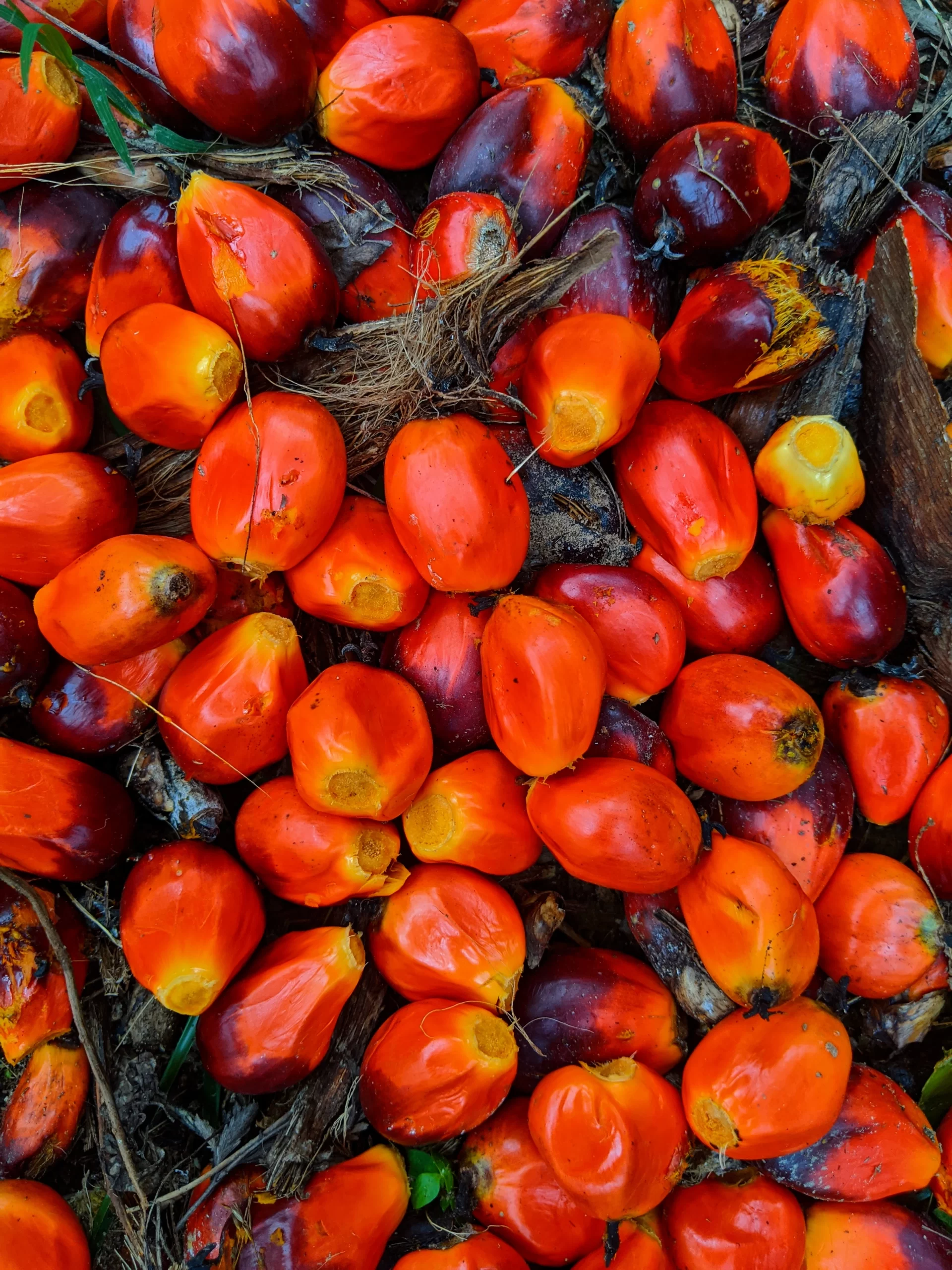
KUALA LUMPUR, June 1, 2015- Malaysian palm oil futures hit their highest in 2-1/2 months on Monday, tracking a jump in overseas soyoil markets late last week and underpinned by strong exports for the month of May.
A weak Malaysian currency also stoked buying interest in the ringgit-priced feedstock. The ringgit slid to its weakest in almost seven weeks at 3.6700 per dollar on concern that lower crude oil may hurt the country’s trade and fiscal accounts.
By the midday break, the August palm oil contract on the Bursa Malaysia Derivatives exchange had risen 2.1 percent to 2,262 ringgit ($616.85) a tonne after moving between 2,253 and 2,269 ringgit, hitting its highest since March 12.
Total traded volume stood at 18,685 lots of 25 tonnes each, above the average 12,500 lots.
The U.S. July soyoil contract surged as much as 4.5 percent on Friday, giving a boost to palm oil, a common food and fuel substitute.
The contract was trading at 33.26 U.S. cents per pound by 0615 GMT on Monday, while the most active September soybean oil contract on the Dalian Commodity Exchange was up 1.9 percent.
The rally came after the U.S. Environmental Protection Agency announced an increased target for biodiesel use, for which soyoil is a key feedstock.
“It’s the external markets – palm is riding high on everybody’s coat tails,” said a trader with a foreign commodities brokerage in Kuala Lumpur.
Exports of Malaysian palm oil products for May rose 44.7 percent to 1,553,281 tonnes from 1,073,482 tonnes in April, cargo surveyor Intertek Testing Services said on Monday, thanks to bigger shipments to key buyers India, China and Europe.
But signs of a slowdown towards the end of May stoked doubts that the strength in exports could be sustained this month.
“Exports in the last six days (of May) actually dropped, which is disappointing. At the pace of the first 25 days, we were expecting a full month at 1.6-1.7 million tonnes,” the Kuala Lumpur trader said.
The trader added that while restocking ahead of the Ramadan festive season may see firm exports in the first two weeks of June, overall exports for the month may be lower than in May.
The Muslim holy month of Ramadan, which begins in mid-June, is marked by communal fasting and feasting by Muslims, which tends to drive up consumption of edible oils.
In other markets, crude oil prices dropped on expectations OPEC output would remain high after rising in May, stoking worries of oversupply despite declining U.S. rig operations.
Palm, soy and crude oil prices at 0615 GMT
  Contract        Month    Last   Change     Low    High  Volume
  MY PALM OIL      JUN5    2215   +45.00    2200    2218     249
  MY PALM OIL      JUL5    2260   +45.00    2251    2268    1835
  MY PALM OIL      AUG5    2262   +46.00    2253    2269    9846
  CHINA PALM OLEIN SEP5    5194   +58.00    5116    5254 1388682
  CHINA SOYOIL     SEP5    5860  +108.00    5742    5892 1123408
  CBOT SOY OIL     JUL5   33.26    -1.70   33.17   33.62    8087
  INDIA PALM OIL   JUN5  460.30    -1.70  459.30  462.00     710
  INDIA SOYOIL     JUN5  614.60    +1.60  611.70  614.80   11060
  NYMEX CRUDE      JUL5   59.85    -0.45   59.74   60.33   11322
Palm oil prices in Malaysian ringgit per tonne
CBOT soy oil in U.S. cents per pound
Dalian soy oil and RBD palm olein in Chinese yuan per tonne
India soy oil in Indian rupee per 10 kg
Crude in U.S. dollars per barrel
($1 = 3.6670 ringgit)
($1 = 6.1973 Chinese yuan)
($1 = 63.61 Indian rupees)
Let’s Help You Get the Best Quality at the Best Price
Ready to Place an Order or Need a Custom Quote?
We’re here to help you source premium palm-based cooking oils with fast response times, competitive pricing, and reliable global shipping.
Get in Touch Now